
You’re scrolling through messages, and suddenly someone drops “SM” in the chat. You pause for a second and think… what does that even mean? You’re not alone — this is one of those short text abbreviations that can feel confusing at first.
In today’s fast-paced digital world, people love using shortcuts while texting. Terms like “SM” save time, but they can also leave others guessing. That’s why understanding the sm meaning in text isn’t just helpful — it’s almost essential.
Whether you’re chatting with friends, replying to someone online, or just trying to keep up with modern slang, knowing these little abbreviations can make communication smoother.
What Does SM Mean?
The meaning of SM in text depends on the context — and that’s where things get interesting.
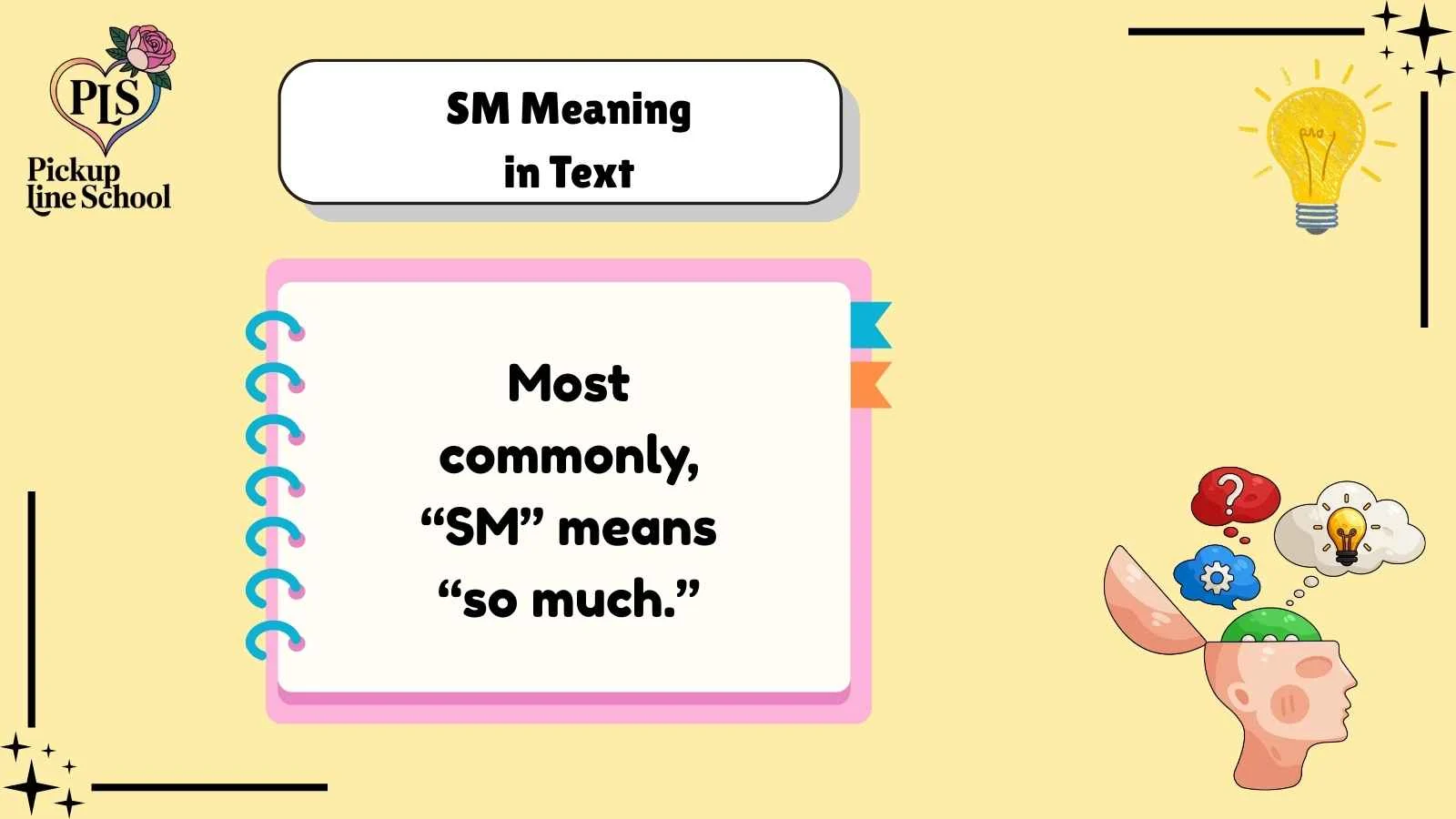
Most commonly, “SM” means “so much.”
For example:
- “I miss you SM” → I miss you so much
- “Thanks SM!” → Thanks so much
But that’s not the only meaning. In some situations, “SM” can also stand for:
- Social Media
- Sad Mood
- Somehow (less common)
The key is to look at the sentence and tone.
Real-Life Examples
- “I love this song SM” → expressing strong emotion
- “I saw it on SM” → referring to social media
- “I’m feeling SM today” → possibly sad mood
So, context is everything.
Origin and Background of the Term
Text abbreviations like “SM” didn’t just appear out of nowhere. They evolved alongside early texting culture.
Back in the days of SMS (short message service), people had character limits. Writing full sentences wasn’t always practical, so users started shortening words — “you” became “u,” “before” became “b4,” and phrases like “so much” became “SM.”
As messaging apps like WhatsApp, Messenger, and others grew, these shortcuts stuck around. They became part of internet language culture.
Interestingly, younger generations especially embraced this trend. For them, abbreviations aren’t just about saving time — they’re about style, identity, and belonging.
How SM Is Used in Daily Life
You’ll see “SM” used in casual conversations all the time. Here are some practical ways people use it:
- Expressing strong emotions:
“I appreciate you SM” - Showing gratitude:
“Thanks SM for helping me” - Talking about social media:
“I saw your post on SM” - Reacting to something exciting:
“I love this movie SM!” - Sharing feelings casually:
“I miss hanging out SM” - Describing mood (rare):
“I’m SM today” (meaning sad mood)
Most of the time, it’s friendly, informal, and positive.
Emotional or Practical Meaning of SM
At its core, “SM” carries emotional weight.
When someone says “I love you SM,” they’re not just being brief — they’re emphasizing intensity. It’s quick, but still meaningful.
In digital conversations, where tone can easily get lost, small abbreviations like this help people express feelings faster.
There’s also a practical side. Life moves quickly, and typing full sentences isn’t always convenient. So, people rely on shortcuts to stay connected without slowing down.
In a way, “SM” reflects how modern communication blends speed with emotion.
Similar or Related Terms
Here are some related abbreviations you might see alongside “SM”:
- ILY – I love you
- TYSM – Thank you so much
- LYSM – Love you so much
- OMG – Oh my God
- FR – For real
- TBH – To be honest
Key Difference
While “SM” usually adds emphasis (so much), others like “ILY” or “OMG” express complete thoughts. “SM” often works as an intensifier, not a standalone phrase.
Common Misunderstandings About SM
Even though “SM” is simple, people often get confused. Let’s clear up a few misconceptions:
- It always means one thing
Not true — context changes the meaning. - It’s only for teenagers
While popular among younger users, anyone can use it. - It’s unprofessional everywhere
It’s informal, but perfectly fine in casual chats. - It always means “social media”
That’s only one of several meanings. - It sounds lazy or careless
Actually, it’s just a modern communication style.
Understanding these points helps avoid awkward misunderstandings.
Examples of SM in Sentences
Here are some natural, everyday examples:
- “I miss our talks SM.”
- “Thanks SM for your support.”
- “I love this place SM!”
- “You helped me SM today.”
- “I saw that trend on SM yesterday.”
- “I’m grateful SM for everything.”
- “This made me laugh SM.”
- “I needed this break SM.”
Notice how it fits smoothly into casual conversation.
Why Understanding SM Matters Today
In today’s digital age, communication is constantly evolving.
If you don’t keep up with common abbreviations like “SM,” you might miss the tone or meaning of messages. That can lead to confusion — or even misunderstandings.
Knowing these terms helps you:
- Respond quickly and naturally
- Understand emotions behind messages
- Stay connected with modern communication trends
- Feel more confident in online conversations
Whether you’re chatting with friends, networking online, or scrolling through comments, understanding the sm meaning in text keeps you in sync with how people communicate today.
FAQs:
What does SM mean in simple words?
It usually means “so much.” People use it to add emphasis, like “I like this SM.”
Is SM positive or negative?
It’s mostly positive, especially when expressing feelings like love or gratitude. However, context can change the tone.
Where is SM commonly used?
You’ll see it in text messages, social media, chats, and comments — basically anywhere informal communication happens.
Is SM formal or informal?
“SM” is informal. It’s best used in casual conversations, not in professional writing.
Why do people search for SM meaning in text?
Because abbreviations can be confusing, especially when meanings change over time. People want to stay updated and avoid misunderstandings.
Conclusion:
Understanding the sm meaning in text might seem like a small thing, but it actually makes a big difference in how you connect with others.
These tiny shortcuts carry emotions, save time, and reflect how language is evolving in the digital world.
The next time you see “SM” in a message, you won’t have to guess — you’ll instantly get it.
