
Have you ever received a message that simply said NTY and wondered what it meant? You’re not alone. With texting, social media, and online chats evolving so quickly, new abbreviations appear all the time.
Some become popular overnight, while others remain confusing to people who encounter them for the first time.
One of those abbreviations is NTY. It’s short, simple, and commonly used in casual conversations, yet many people still search for its meaning when they see it in a text message, online game, social media comment, or group chat.
Understanding modern internet slang isn’t just about staying trendy. It helps you communicate more effectively, avoid misunderstandings, and connect with others in digital spaces.
Whether you’re a student, professional, parent, or simply someone who enjoys online conversations, knowing what NTY means can make interactions smoother and clearer.
What Does NTY Mean?
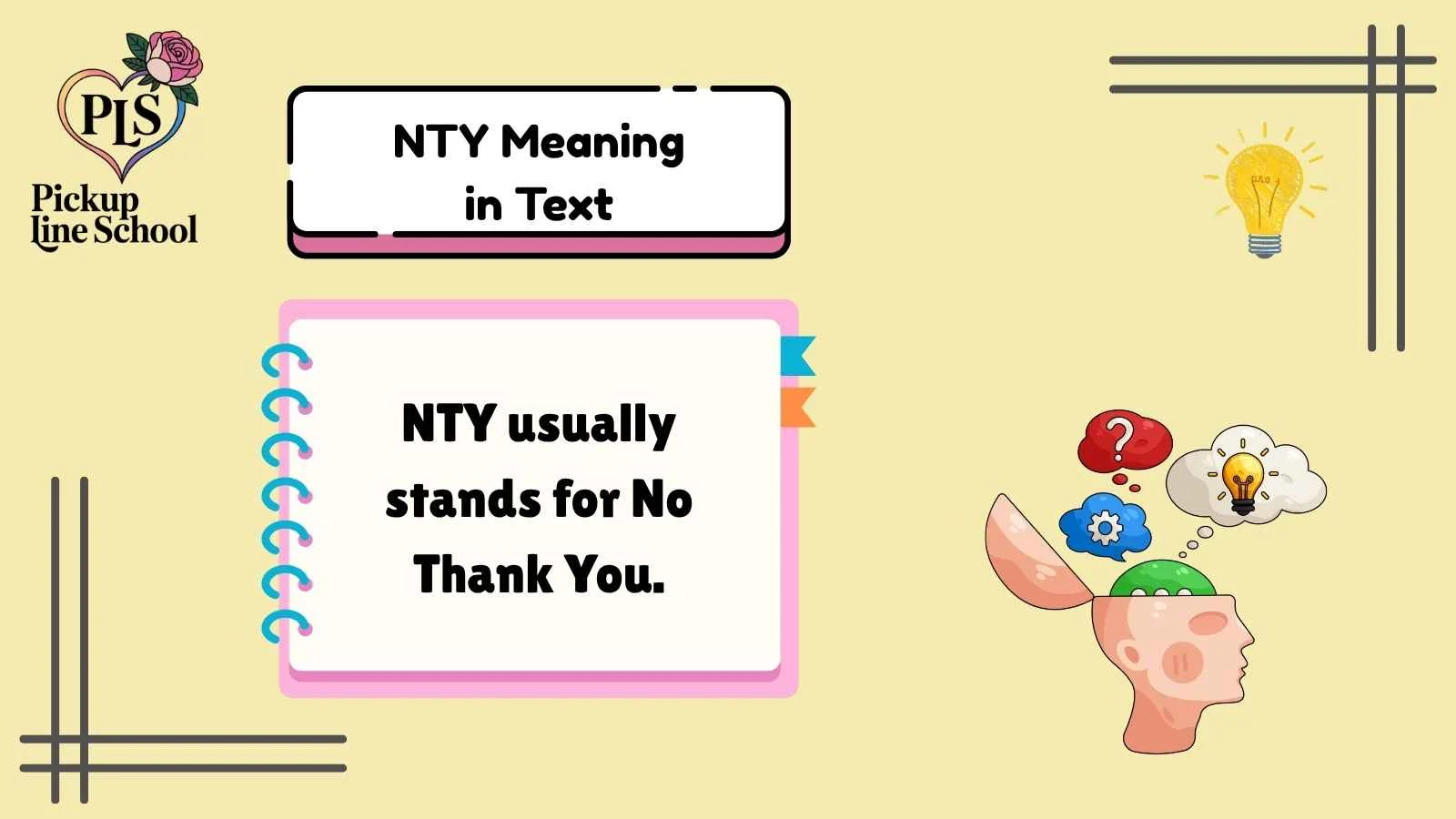
In text messaging and online communication, NTY usually stands for No Thank You.
It’s a quick and polite way to decline an offer, invitation, suggestion, or request without typing the full phrase.
For example:
- Friend: Want to join us for dinner?
- You: NTY, maybe next time.
In this situation, NTY communicates appreciation while respectfully declining.
Another example:
- Seller: Interested in buying this item?
- Buyer: NTY.
The response is short, clear, and generally considered polite.
People often use NTY because typing abbreviations saves time, especially on mobile devices or fast-paced messaging platforms.
Origin and Background of the Term
The rise of NTY is closely connected to the growth of internet culture and mobile texting.
In the early days of online chat rooms and instant messaging services, users looked for ways to communicate faster. Limited character counts, slower typing speeds, and the desire for convenience encouraged the creation of abbreviations such as:
- LOL (Laugh Out Loud)
- BRB (Be Right Back)
- IMO (In My Opinion)
- TY (Thank You)
Over time, people began shortening longer phrases as well. No Thank You naturally became NTY.
What’s interesting is that NTY wasn’t created by a specific company or organization. Instead, it emerged organically through everyday online conversations. As more people adopted shorthand communication, the abbreviation spread across social media, gaming communities, forums, and messaging apps.
Today, NTY is recognized by many internet users around the world, especially younger generations who regularly communicate online.
How NTY Is Used in Daily Life
NTY appears in many different situations. Here are some common examples.
Declining an Invitation
Someone invites you to an event.
- We’re going to the movies tonight.
- NTY, I already have plans.
Refusing a Product Offer
Online sellers often receive short responses.
- Would you like to upgrade?
- NTY.
Turning Down a Suggestion
Friends frequently exchange recommendations.
- You should watch this horror movie.
- NTY, horror isn’t really my thing.
Responding in Online Games
Gamers often use abbreviations during fast conversations.
- Want to trade?
- NTY.
Avoiding Lengthy Conversations
Sometimes people want to decline politely without creating a long discussion.
- Can you take on another project?
- NTY, my schedule is full.
Social Media Interactions
Users may comment NTY when they are not interested in an offer, challenge, or trend.
The abbreviation works because it is brief, polite, and easy to understand in context.
Emotional or Practical Meaning of NTY
At first glance, NTY may seem like just another internet abbreviation. However, it carries an important social function.
People often struggle with saying no. Many worry about sounding rude or hurting someone’s feelings. NTY provides a middle ground.
Instead of writing:
- No.
- Not interested.
which can sometimes appear blunt, users write:
- NTY.
The inclusion of thank you softens the refusal and shows respect.
From a practical standpoint, NTY also reflects modern communication habits. People value speed and efficiency, but they still want to remain courteous. The abbreviation combines both goals.
In many online communities, using NTY signals that someone is setting boundaries politely rather than rejecting another person harshly.
Similar or Related Terms
Several abbreviations have meanings similar to NTY.
- TY – Means Thank You.
- NP – Means No Problem.
- NVM – Means Never Mind.
- IDC – Means I Don’t Care.
- IMO – Means In My Opinion.
- PASS – Informal way to decline something.
- Nope – Casual rejection, often less polite than NTY.
- Maybe Next Time – Softer alternative to declining.
The main difference is that NTY specifically combines refusal with politeness.
Common Misunderstandings About NTY
Like many internet abbreviations, NTY is sometimes misunderstood.
Misconception 1: NTY Is Rude
Many people assume abbreviations seem cold.
In reality, NTY includes a thank-you and is generally intended to be polite.
Misconception 2: NTY Has Multiple Hidden Meanings
Most of the time, NTY simply means No Thank You.
Context matters, but this is by far the most common interpretation.
Misconception 3: Only Teenagers Use NTY
While younger users may use it frequently, adults also use the abbreviation in texts, emails, gaming communities, and social media.
Misconception 4: NTY Is Formal Business Language
NTY is considered informal.
It’s best suited for casual communication rather than professional documents.
Misconception 5: NTY Means Anger or Disapproval
Usually, it doesn’t.
Most people use NTY to decline politely, not to express frustration.
Misconception 6: Everyone Understands NTY
Not necessarily.
Some people may not recognize the abbreviation, especially if they’re unfamiliar with internet slang.
Examples of NTY in Sentences
Here are some natural examples of NTY in everyday communication.
- Thanks for the invitation, but NTY, I’m staying home tonight.
- NTY, I already have that game.
- Would you like dessert? NTY, I’m full.
- Someone offered me a premium subscription, but I replied NTY.
- NTY, but I appreciate the suggestion.
- My friend wanted to trade items online, and I simply said NTY.
- NTY, maybe another time when I’m less busy.
- I wasn’t interested in the offer, so I responded with NTY.
These examples show how the abbreviation fits naturally into casual conversations.
Why Understanding NTY Matters Today
Language changes constantly.
Just a few decades ago, many of today’s internet abbreviations didn’t exist. Now, digital communication shapes how millions of people interact every day.
Understanding NTY helps in several ways:
Better Communication
Knowing common abbreviations prevents confusion and misunderstandings.
Digital Literacy
Internet slang has become part of modern communication skills.
Social Awareness
Recognizing terms like NTY helps people participate more comfortably in online communities.
Professional Awareness
Even though NTY is informal, understanding it can help professionals communicate effectively with younger audiences and customers.
Cultural Understanding
Internet language reflects broader social trends and communication habits.
As technology continues to influence daily life, abbreviations like NTY remain small but meaningful pieces of modern language.
FAQs:
What does NTY mean in simple words?
NTY means No Thank You. It is a polite way to decline an offer, invitation, request, or suggestion in text messages and online conversations.
Is NTY positive or negative?
NTY is generally neutral to positive. Although it communicates a refusal, it does so politely by including thank you.
Where is NTY commonly used?
NTY is commonly used in text messages, social media platforms, online games, chat apps, forums, and casual digital conversations.
Is NTY formal or informal?
NTY is informal. It works best in casual communication and is usually not appropriate for formal business writing.
Why do people search for NTY meaning in text?
People search for the meaning because they encounter the abbreviation in messages, comments, games, or social media posts and want to understand what the sender intended. As online language changes with the passage of time, new users often need clarification about modern abbreviations.
Conclusion:
The meaning of NTY in text is simple yet useful: No Thank You. It’s a short, polite, and widely recognized abbreviation that allows people to decline offers, invitations, and suggestions without sounding harsh.
As digital communication continues to evolve, abbreviations like NTY help conversations stay efficient while maintaining courtesy. Whether you see it in a text message, social media comment, gaming chat, or online marketplace, understanding NTY can help you communicate more confidently and avoid confusion.
