
Have you ever received a text message filled with abbreviations and wondered what half of them meant? You’re not alone.
Modern texting has created an entirely new language where short forms help people communicate faster and more casually.
One abbreviation that often leaves people confused is DTTM. If you’ve recently seen it in a text, social media comment, or online conversation, you might be wondering what it stands for and why people use it.
Understanding the dttm meaning in text can help you avoid confusion and communicate more confidently online.
As digital communication continues to evolve, new slang and abbreviations appear regularly, making it important to stay updated with modern language trends.
What Does DTTM Mean?
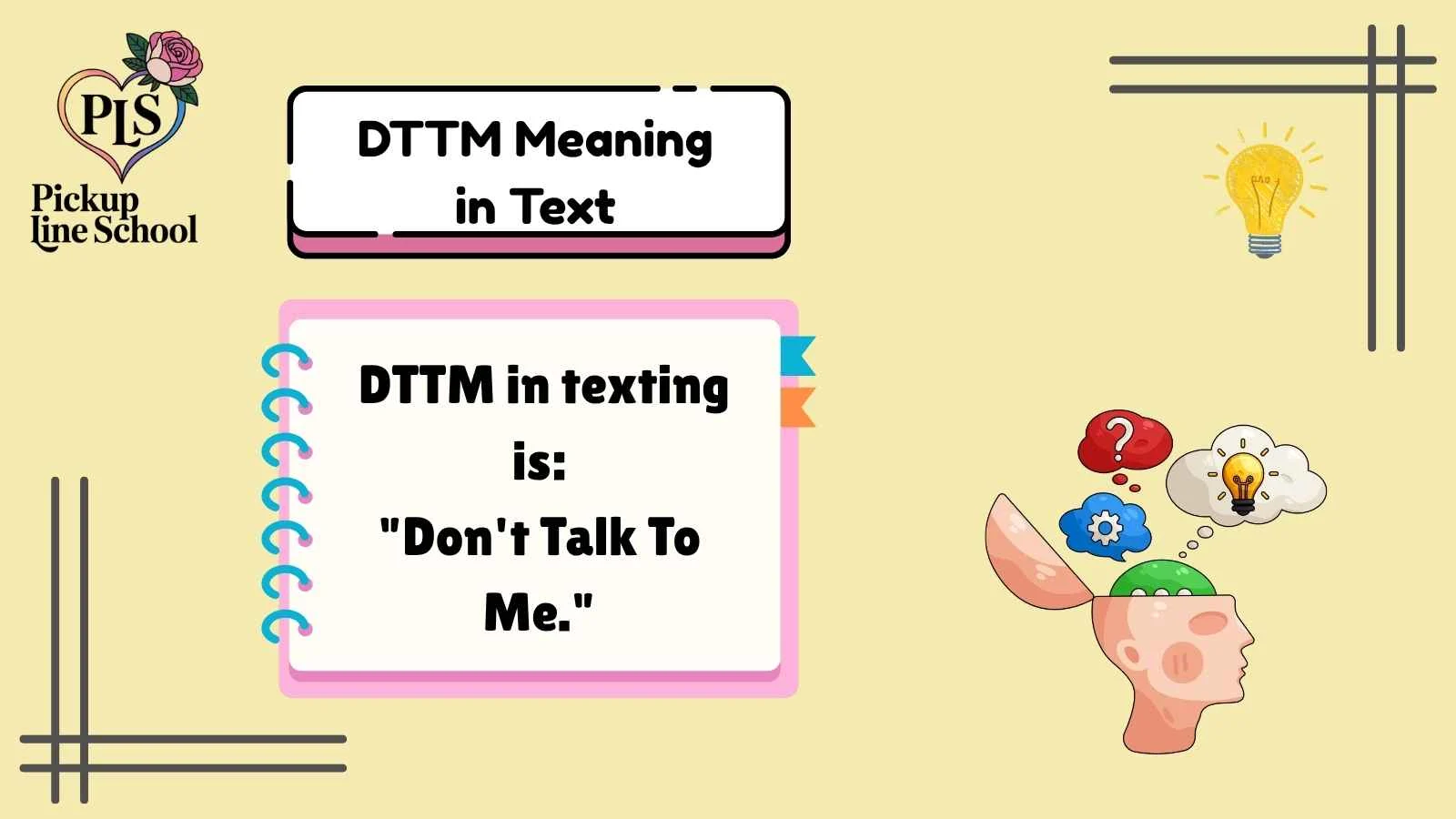
The most common meaning of DTTM in texting is:
“Don’t Talk To Me.”
People typically use this abbreviation when they feel upset, annoyed, frustrated, or simply want some space from a conversation.
Unlike a formal statement, DTTM is usually used in casual digital communication such as text messages, social media chats, gaming platforms, and messaging apps.
Real-Life Examples
Imagine your friend spoiled the ending of your favorite TV show. You might jokingly reply:
“DTTM right now. I can’t believe you told me!”
Another example:
“I failed my driving test today. DTTM for a while.”
Sometimes people use DTTM seriously, while other times it’s meant as playful sarcasm among friends.
The exact meaning often depends on the tone and relationship between the people communicating.
Origin and Background of the Term
The rise of abbreviations like DTTM can be traced back to the early days of mobile texting.
Years ago, text messages had strict character limits. People started shortening common phrases to save time and space. Abbreviations such as LOL, BRB, OMG, and IDK became incredibly popular.
As internet culture expanded, users continued creating shorter versions of everyday expressions. DTTM emerged from this trend as a quick way to express a desire for distance or temporary silence.
Interestingly, many texting abbreviations were never officially created by dictionaries or language experts. Instead, they evolved naturally through online communities and everyday conversations.
This organic development is one reason internet slang changes so quickly. What is popular today may fade away tomorrow, while new expressions constantly appear.
How DTTM Is Used in Daily Life
People use DTTM in many everyday situations. Here are some common examples:
1. After Receiving Bad News
Someone may use DTTM when they’re feeling disappointed or overwhelmed.
Example:
“Just found out my flight got canceled. DTTM.”
2. During Friendly Jokes
Friends often use DTTM humorously after being teased.
Example:
“You beat me again at the game? DTTM.”
3. Expressing Frustration
The abbreviation can communicate annoyance quickly.
Example:
“My laptop crashed before I saved my work. DTTM.”
4. Needing Personal Space
Sometimes people genuinely want time alone.
Example:
“Long day at work. DTTM tonight.”
5. Social Media Reactions
Users may post DTTM after reacting to surprising or emotional content online.
6. Playful Drama
Many younger users employ DTTM dramatically for comedic effect rather than genuine anger.
Emotional or Practical Meaning of DTTM
At its core, DTTM is more than just a set of letters.
It often represents a person’s emotional state at a particular moment. When someone says DTTM, they’re usually communicating one of several feelings:
- Frustration
- Disappointment
- Stress
- Embarrassment
- Playful annoyance
- Desire for privacy
In today’s fast-paced digital world, people appreciate quick ways to express emotions. DTTM provides a simple shortcut that instantly conveys a message without requiring a lengthy explanation.
There’s also a social aspect to it. Friends who understand each other’s humor often recognize whether DTTM is being used seriously or jokingly.
Context remains extremely important.
Similar or Related Terms
Several other abbreviations share similarities with DTTM:
- BRB – Be Right Back; indicates a temporary absence.
- IDC – I Don’t Care; expresses indifference.
- IDK – I Don’t Know; shows uncertainty.
- SMH – Shaking My Head; expresses disappointment or disbelief.
- IMO – In My Opinion; shares a personal viewpoint.
- GTG – Got To Go; indicates leaving a conversation.
- Leave Me Alone – Similar meaning but written out fully.
- Need Some Space – A softer and more direct alternative.
Each phrase serves a different purpose, though many relate to emotions or conversation management.
Common Misunderstandings About DTTM
Like many internet abbreviations, DTTM is often misunderstood.
Misconception 1: It Always Means Anger
Not necessarily.
Many people use it humorously with friends.
Misconception 2: It’s Rude Every Time
Context matters.
A playful DTTM after a joke is usually harmless.
Misconception 3: Everyone Knows What It Means
Many people have never encountered the abbreviation before.
Misconception 4: It’s Only Used by Teenagers
While younger users may use it more frequently, people of various age groups understand and use texting abbreviations.
Misconception 5: It Means Permanent Silence
Usually, DTTM refers to a temporary emotional reaction rather than ending communication permanently.
Misconception 6: It Has Only One Meaning
Although “Don’t Talk To Me” is the most common interpretation, internet abbreviations occasionally develop alternative meanings in different communities.
Examples of DTTM in Sentences
Here are some natural examples you might encounter:
- “You finished the entire pizza without me? DTTM.”
- “I forgot my wallet at home. DTTM today.”
- “You spoiled the movie ending. DTTM.”
- “My team lost in the final minute. DTTM right now.”
- “I just spilled coffee on my shirt before the meeting. DTTM.”
- “You got concert tickets and I didn’t? DTTM.”
- “That exam was way harder than expected. DTTM for a bit.”
- “You beat my high score again? Seriously, DTTM.”
These examples show how the phrase can range from serious frustration to playful banter.
Why Understanding DTTM Matters Today
Digital communication continues to shape how people interact.
Texting, social media, online gaming, and messaging apps have introduced thousands of abbreviations into everyday conversations. Understanding these terms helps people communicate more effectively and avoid misunderstandings.
For students, professionals, parents, and social media users, knowing the meaning of common abbreviations can improve online interactions.
Imagine receiving a message that says DTTM. Without understanding the phrase, you might misinterpret the sender’s feelings or intentions.
Language constantly evolves. New words and abbreviations reflect cultural shifts, technological changes, and communication preferences. Staying informed about these expressions allows you to participate more confidently in modern conversations.
In many ways, learning internet slang is similar to learning a local dialect. It helps you better understand the people around you and the digital communities you engage with every day.
FAQs:
What does dttm mean in simple words?
DTTM usually means “Don’t Talk To Me.” People use it when they’re upset, frustrated, joking around, or simply want some personal space.
Is dttm positive or negative?
It can be either. In serious situations, it may express frustration or annoyance. Among friends, it is often used humorously and isn’t necessarily negative.
Where is dttm commonly used?
DTTM is commonly used in text messages, social media platforms, online chats, gaming communities, and messaging apps.
Is dttm formal or informal?
DTTM is highly informal. It is generally used in casual conversations rather than professional or academic communication.
Why do people search for dttm meaning in text?
As online language changes over time, many people encounter unfamiliar abbreviations and want to understand their meanings, usage, and context.
Conclusion:
The dttm meaning in text is most commonly understood as “Don’t Talk To Me.”
While the phrase may sound harsh at first glance, its actual meaning depends heavily on context, tone, and the relationship between the people communicating.
Whether it’s used to express genuine frustration, request personal space, or simply joke with friends, DTTM reflects the fast-moving nature of modern digital communication.
Understanding abbreviations like this helps you navigate online conversations more confidently and avoid unnecessary misunderstandings.
