
Have you ever been scrolling through social media, reading text messages, or watching a viral video and suddenly come across the term BFFR? If so, you’re not alone. Internet slang evolves quickly, and new expressions seem to appear overnight.
Among the many abbreviations used online today, BFFR has become one of the most recognizable. People use it in comments, captions, tweets, and casual conversations to express disbelief, frustration, or a reality check.
Understanding modern slang isn’t just about staying trendy. It helps you communicate better, understand online culture, and avoid confusion when interacting with friends, classmates, coworkers, or social media communities.
In this guide, you’ll learn the complete BFFR Meaning in Text, where it came from, how people use it, and why it has become such a popular expression in today’s digital world.
What Does BFFR Mean?
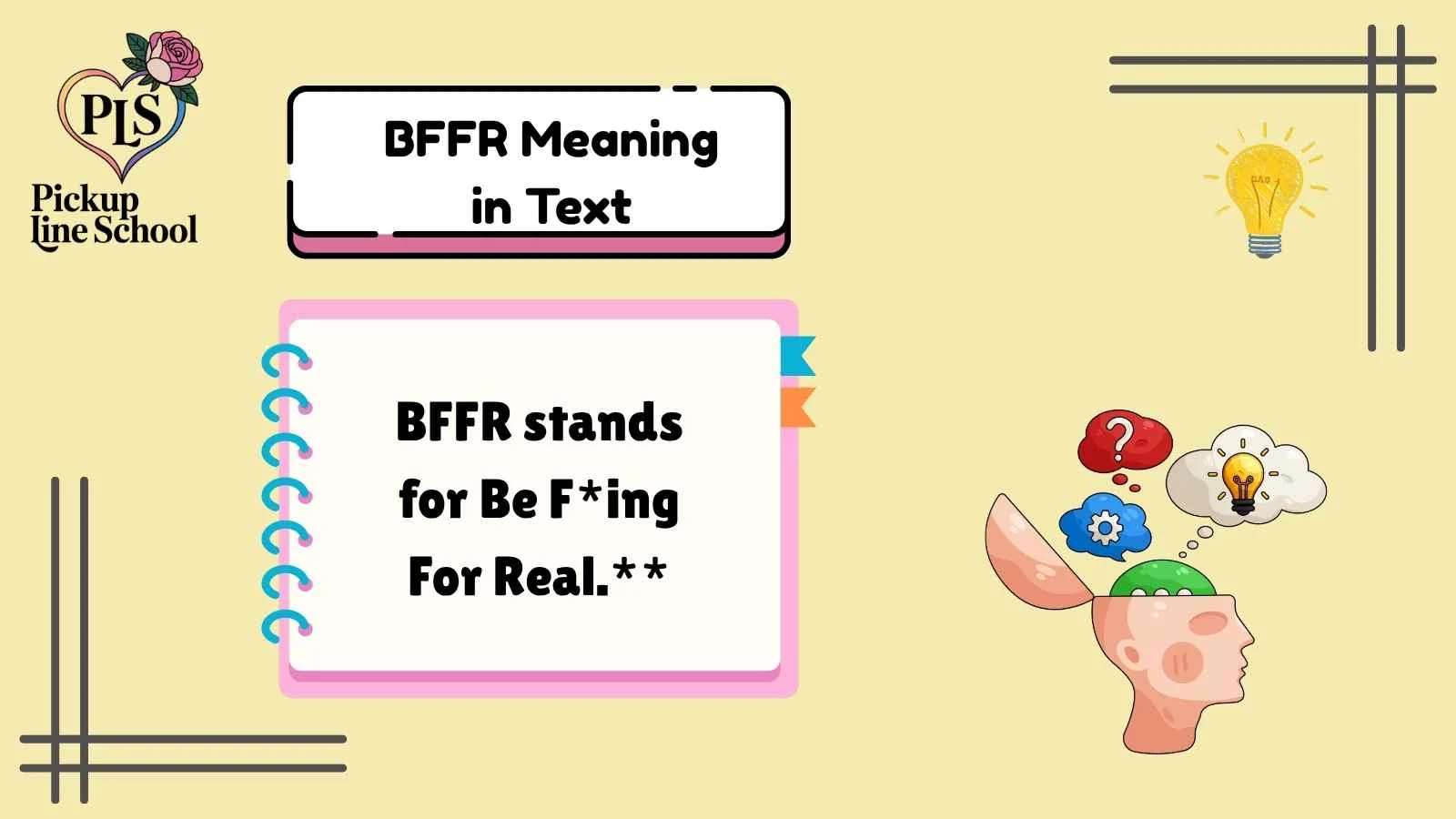
The abbreviation BFFR stands for Be F*ing For Real.**
In simple terms, it’s a phrase people use when they think someone is being unrealistic, exaggerating, dramatic, or simply not making sense.
Think of it as saying:
- Seriously?
- You can’t be serious.
- Come on, be realistic.
- Tell me you’re joking.
The phrase is usually used in informal conversations, especially online.
Real-Life Examples
Imagine a friend says:
I studied for five minutes and I’m definitely getting 100% on the exam.
You might reply:
BFFR.
Another example:
Someone posts that they can become a millionaire in a week without doing any work.
Many comments might simply say:
BFFR.
In both situations, the term expresses disbelief and encourages someone to be more realistic.
Origin and Background of the Term
Like many internet expressions, BFFR didn’t appear overnight.
The phrase Be For Real has existed in everyday speech for decades. People have used it in conversations to challenge unrealistic statements or call out exaggeration.
Over time, social media users added stronger emphasis by turning it into Be F***ing For Real. Eventually, the phrase was shortened into the acronym BFFR to make it easier and faster to type.
The term gained significant popularity on platforms such as:
- TikTok
- X
- Snapchat
Users began adding it to reaction videos, memes, and comment sections. As more creators used it, the phrase spread rapidly across different online communities.
Today, BFFR is recognized by millions of internet users around the world.
How BFFR Is Used in Daily Life
One reason BFFR became popular is its versatility. People use it in many situations.
1. Calling Out Exaggerations
If someone makes an unbelievable claim:
I can finish this entire project in ten minutes.
Response:
BFFR.
2. Reacting to Unrealistic Expectations
When someone expects something impossible:
I’m going to become famous tomorrow.
Response:
BFFR.
3. Friendly Teasing
Friends often use it playfully.
I think I’m the funniest person alive.
BFFR.
4. Social Media Reactions
Comment sections frequently include BFFR when users disagree with a statement.
5. Discussing Celebrity News
People use it when reacting to rumors or unbelievable stories.
6. Everyday Conversations
Even outside social media, some people use the abbreviation in text messages and group chats.
Emotional or Practical Meaning of BFFR
At first glance, BFFR may seem like just another internet acronym. However, it carries a deeper social purpose.
The phrase acts as a reality check.
People use it when they feel someone is:
- Ignoring facts
- Overreacting
- Exaggerating
- Being overly dramatic
- Living in fantasy rather than reality
In many cases, the expression isn’t intended to be mean. Instead, it’s often used humorously among friends.
That said, tone matters.
A playful BFFR can create laughter.
A harshly delivered BFFR can come across as criticism.
This flexibility is one reason the phrase resonates with modern internet culture, where humor and honesty often mix together.
Similar or Related Terms
Several expressions share a similar meaning with BFFR.
- Be Serious – A direct request for realism.
- For Real? – Expresses disbelief.
- No Way – Indicates something is hard to believe.
- Seriously? – Questions the truth of a statement.
- You’re Joking – Suggests someone can’t be serious.
- Cap – Internet slang meaning a lie or exaggeration.
- No Cap – Means honesty or truthfulness.
- Delulu – Slang for being unrealistically hopeful or delusional.
Although these terms are related, BFFR usually carries a stronger tone of disbelief.
Common Misunderstandings About BFFR
Many people misunderstand how BFFR is meant to be used.
It Always Means Insulting Someone
Not true.
Friends often use it jokingly without any negative intention.
It’s Only Used by Teenagers
While younger generations helped popularize it, adults also use the phrase online.
It Means Someone Is Lying
Not necessarily.
Sometimes the person may genuinely believe what they’re saying.
It’s Appropriate Everywhere
BFFR is informal slang and isn’t suitable for professional communication.
It Only Exists Online
Although most common online, some people use it in spoken conversations.
It Is Always Negative
The phrase can be playful, humorous, sarcastic, or critical depending on context.
Examples of BFFR in Sentences
Here are some natural examples of BFFR in everyday conversations:
- You think you can learn a new language overnight? BFFR.
- He said he’s never been wrong about anything. BFFR.
- You bought another pair of shoes this week? BFFR.
- She thinks one workout will transform her entire body. BFFR.
- That movie was so good that I watched it three times. BFFR, was it really that amazing?
- You’re telling me you finished all that homework in ten minutes? BFFR.
- He believes he’ll become a professional athlete without training. BFFR.
- You expect me to believe that story? BFFR.
Why Understanding BFFR Matters Today
Language constantly evolves.
A generation ago, many of today’s internet abbreviations didn’t exist. Today, digital communication moves so quickly that new expressions can become global trends within weeks.
Understanding BFFR helps you:
- Follow online conversations more easily.
- Understand social media culture.
- Avoid confusion when texting.
- Interpret tone more accurately.
- Connect with younger audiences and internet communities.
Whether you’re a student, parent, marketer, teacher, or casual social media user, knowing common slang terms can improve communication.
More importantly, understanding internet language helps bridge generational gaps. What may look like random letters often carries a specific emotional meaning and social context.
As digital culture continues to evolve, expressions like BFFR show how creative and dynamic language can be.
FAQs:
What does BFFR mean in simple words?
BFFR means Be F*ing For Real.** People use it when they think someone is being unrealistic, exaggerating, or saying something difficult to believe.
Is BFFR positive or negative?
It can be either. Sometimes it’s playful and humorous between friends. Other times, it can sound critical or dismissive depending on the situation and tone.
Where is BFFR commonly used?
BFFR is most commonly used on social media platforms, text messages, group chats, memes, and online discussions.
Is BFFR formal or informal?
BFFR is highly informal slang. It should generally be avoided in professional emails, academic writing, and formal business communication.
Why do people search for BFFR Meaning in Text?
People often encounter the abbreviation online and want to understand what it means, how it’s used, and whether the phrase carries a positive or negative message. As internet language changes with the passage of time, curiosity about new slang terms continues to grow.
Conclusion:
The BFFR Meaning in Text is simple once you understand it: it stands for Be F*ing For Real** and is used to express disbelief, challenge unrealistic statements, or encourage someone to be more realistic.
What started as a casual expression has grown into a widely recognized part of internet culture. From social media comments to everyday text conversations, BFFR helps people communicate reactions quickly and effectively.
